

Top 10 Tips for Successful Car Battery Installation
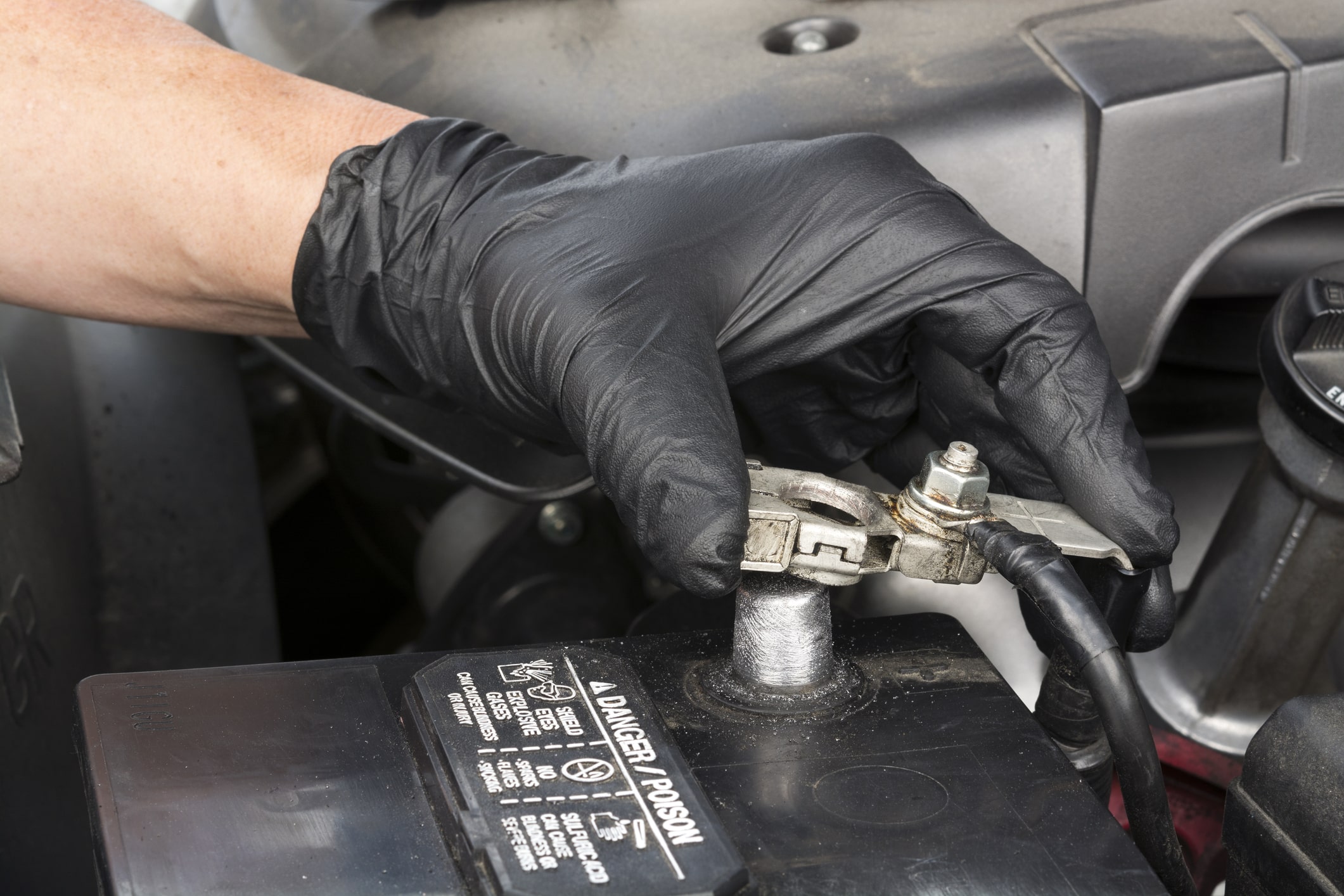
Your car clicks but won't start. You know the battery is dead. You're standing in the parking lot with a new battery, tools in hand, wondering if you should tackle this yourself or call for help.
Installing a battery seems straightforward, but the difference between doing it right and doing it fast determines whether your new battery lasts five years or fails in five months.
Christian Brothers Automotive wants to help you succeed with DIY maintenance. If you're not near one of our locations, have already purchased your battery elsewhere, or prefer tackling projects at home, these professional tips ensure proper installation.
Follow these guidelines below, and your battery should deliver reliable service for its entire warranty period.
Car Battery Safety During Replacements
Safety comes first when working with car batteries. Batteries contain sulfuric acid and produce explosive hydrogen gas, making proper protection essential before you start any work. Follow these safety requirements every time:
- Wear safety glasses and gloves to protect against acid burns
- Remove all metal jewelry, like rings and watches, to prevent short circuits
- Work in a well-ventilated area to avoid hydrogen gas buildup
- Keep baking soda nearby to neutralize acid spills
- Never smoke or create sparks near the battery
Taking these precautions prevents injuries and keeps your installation safe from start to finish. Battery acid burns require immediate medical attention, and hydrogen gas explosions cause serious injuries every year in home garages.
Tools You'll Need for a Car Battery Installation
You will need a few basic tools for proper battery installation. Having everything ready before you start saves time and prevents mid-project trips to the store. Gather these essential items:
- Socket wrench with the correct size socket (typically 10mm)
- Battery terminal cleaning brush and wire brush
- Battery terminal protector spray
- Torque wrench for proper connection tightness
- Shop towels and battery carrier (for heavy batteries)
The right tools prevent rounded bolt heads, damaged terminals, and installation mistakes. Most auto parts stores carry these items, and investing in quality tools pays off when you need them for future maintenance tasks.
Best Tips for Your Car Battery Installation
Tip #1: Double Check Your Battery Specifications
Every vehicle requires specific battery characteristics. From the group size to cold cranking amps (CCA) to terminal configuration, you need to match your replacement battery to the manufacturer's specifications.
For example, if you install the wrong group size, the battery slides around or does not fit the hold-down clamp. Take the extra time to verify exactly what your car needs before removing the old battery.
Tip #2: Ensure the Correct Battery Type
Modern vehicles often require specific battery technologies. This varies by make and model, but many newer cars need AGM (Absorbed Glass Mat) batteries instead of standard flooded batteries. Installing the wrong type leads to premature failure and potential electrical system damage.
Your vehicle manual or the label on your existing battery identifies what your car requires. The battery type should always match manufacturer recommendations. No exceptions.
Tip #3: Disconnect in the Proper Order
When removing your old battery, always disconnect the negative (black) cable first, then the positive (red) cable. This sequence prevents dangerous short circuits.
If your wrench touches metal while loosening the positive terminal with the negative still connected, you create sparks and potential explosions. Getting this order wrong causes thousands in electrical damage for rushed DIYers.
Tip #4: Clean Everything Thoroughly
Before installing your new battery, clean all corrosion from the cable ends and the battery tray. That white or green crusty buildup blocks electrical flow and drains batteries prematurely. Use a wire brush to scrub cable connectors and battery posts until you see shiny metal.
Clean the tray with a baking soda solution to neutralize acid residue. Batteries installed on corroded connections fail within months because poor contact prevents proper charging.
Tip #5: Secure the Holddown Clamp
Your battery needs proper mounting to prevent damage from vibration and movement. The holddown clamp keeps your battery from bouncing during bumps and stops.
Tighten the bracket until the battery does not move when you push on it, but do not overtighten and crack the case. Loose batteries fail early because the internal plates separate due to constant vibration.
Tip #6: Connect Cables in Reverse Order
Do you put on red or black first? Install the positive (red) cable first, then the negative (black) cable. This is the opposite of removal and follows the same safety logic.
With the positive connected first, touching the metal while tightening the negative terminal completes the ground connection safely. Memory trick: removal is negative first, installation is positive first.
Tip #7: Tighten Connections Correctly
Battery terminals need specific torque to function properly. Too loose creates resistance, heat, and mysterious electrical problems.
Without proper tightness, connections cause dimming lights and slow cranking that come and go as loose terminals make and break contact.
Tip #8: Apply Terminal Protection
One of the most common battery installation mistakes is not protecting the terminals after connection. Spray the terminal protector on posts immediately after installation to prevent corrosion from starting.
Apply dielectric grease to connection points before tightening for additional protection. Skipping this step means you will be cleaning corroded terminals within months instead of years.
Tip #9: Test Your Charging System
After installation, verify your alternator charges the new battery properly. Start your engine and measure voltage across battery terminals with a multimeter. You should see 13.5-14.5 volts with the engine running.
Lower readings indicate charging problems that drain your new battery quickly. Many DIYers skip this test and blame the battery when charging system issues cause early failure.
Tip #10: Document Your Installation
Write the installation date directly on the battery label and keep your receipt with vehicle maintenance records. Most batteries carry warranties from two to five years, but you must prove purchase date to make claims.
Record battery specifications and installation details in your maintenance log. This information helps track actual battery life and reveals charging system problems if batteries fail prematurely.
Need Professional Battery Service?
Proper battery installation takes time and the right tools. Christian Brothers Automotive offers complete battery testing, installation, and charging system diagnostics at every location. We even handle the proper disposal of your old battery and back our work with warranties that protect your investment!
It’s easy to see why so many drivers trust Christian Brothers Automotive with their car battery services.
Schedule your battery service with your local Christian Brothers Automotive today!
[1].jpg "Four Common Services Offered at Auto Repair Centers")
[2].jpg "Make Sure You're Getting Quality Auto Parts")
sunwash-tech-with-customer.png "What is a Car Inspection?")