

Are Car Batteries Safe? Here’s What You Should Know.
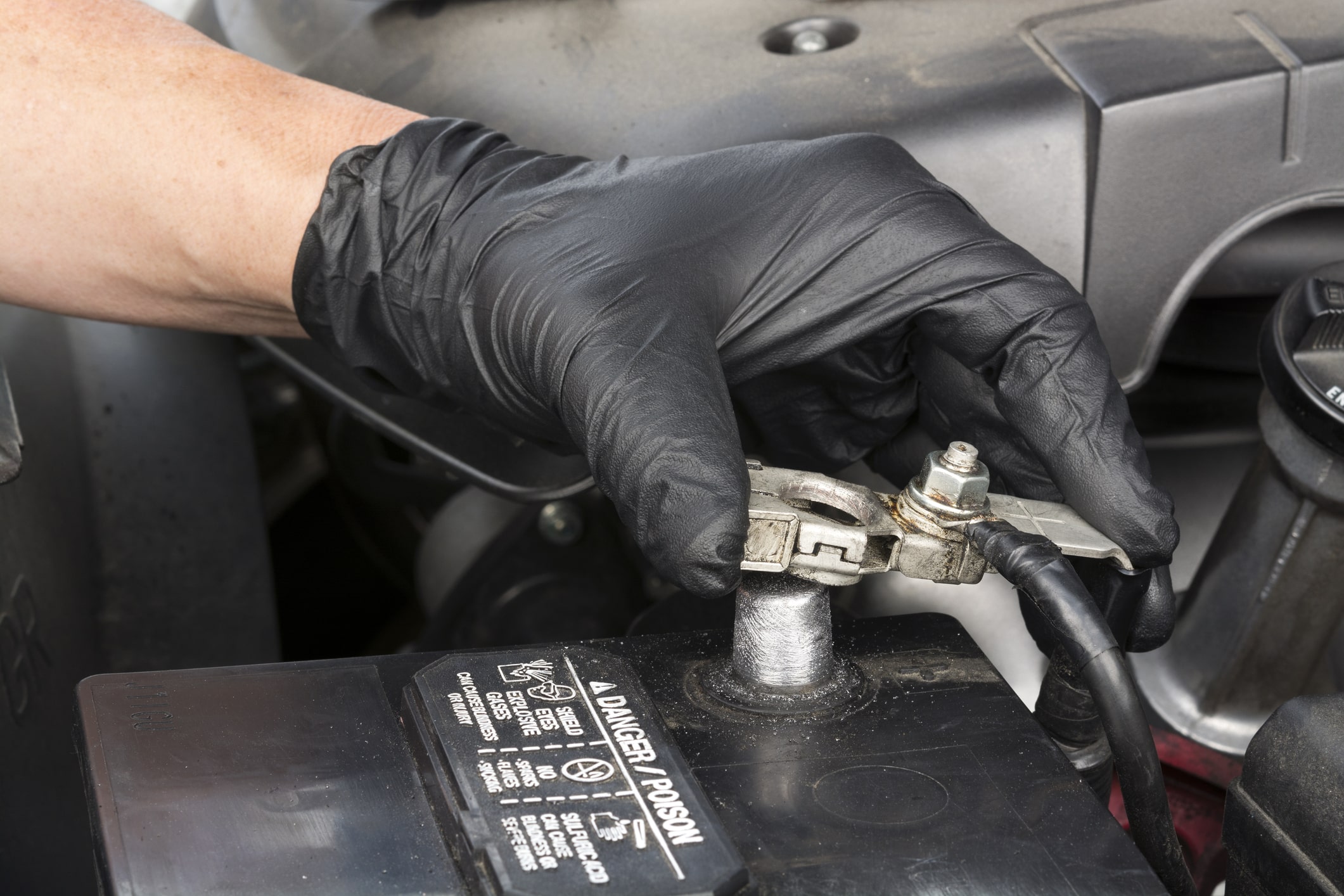
Your car battery powers everything from starting your engine to running your electronics. While these powerhouses work reliably day after day, they contain hazardous materials and generate electrical current. Understanding proper safety practices protects you from injury and extends your battery's life.
How Safe Are Car Batteries?
Car batteries are safe when you treat them with respect and follow basic precautions. A standard 12-volt car battery contains sulfuric acid and lead plates, creating a chemical reaction that generates electrical power. The acid inside poses the primary risk, as it burns skin and damages clothing on contact.
Modern batteries include safety features such as sealed cases and vent caps to minimize exposure to acid. The electrical charge itself rarely causes serious injury in passenger vehicles, though the risk increases with electric vehicles and their high-voltage systems. Following manufacturer guidelines should be enough to keep you safe during routine maintenance and emergencies.
Can a Car Battery Shock You?
A 12-volt car battery produces enough current to surprise you with a mild shock, though it won't cause the same injury as household electricity. The real danger comes from creating sparks near the battery, which can ignite hydrogen gas released by batteries during charging. These explosions cause serious burns and eye injuries.
You face a greater risk when working with corroded terminals or damaged cables. Corrosion creates resistance, generating heat when current flows through connections. Always disconnect the negative terminal first when removing a battery, and connect it last during installation. This simple step prevents accidental sparks from your wrench contacting metal parts.
Is It Safe to Touch a Car Battery with Bare Hands?
Touching the plastic exterior of a car battery with bare hands poses no danger. The hazard starts when you contact the lead terminals or spilled acid. Your skin provides enough resistance to prevent shock from 12 volts, but acid burns develop quickly on exposed skin.
Wear protective gloves and safety glasses when handling batteries, especially during removal and installation. The top of the battery near the terminals often has acid residue from condensation and overflow. Keep baking soda and water nearby to neutralize acid if spills occur. Wash your hands thoroughly after any battery work, even when wearing gloves.
Some Helpful Battery Storage Guidelines
Store batteries upright in a cool, dry location away from living spaces. Temperature extremes reduce battery life and increase the risk of case damage. A concrete floor or plastic container works well for storage, keeping batteries off damp surfaces that promote corrosion.
Regarding batteries touching each other, keep them separated during storage. Stacking or placing batteries side by side creates pathways for current to flow between terminals, slowly draining their charge. This discharge generates heat and potentially starts fires. Store each battery in its own space with at least two inches between units. Cover terminals with plastic caps or tape to prevent accidental shorts from metal objects.
How to Clean Your Battery Safely
Battery terminals need regular cleaning to prevent corrosion and maintain electrical connections. Corroded terminals create resistance, reduce charging efficiency, and lead to starting problems.
The cleaning process involves disconnecting cables, neutralizing corrosion with a baking soda solution, and protecting terminals after cleaning. While the steps seem straightforward, doing this incorrectly poses safety risks.
For complete step-by-step instructions, safety precautions, and signs your battery terminals need attention, read our guide: How To Clean Your Battery Terminals.
Car Battery Safety Do's
Follow these essential guidelines for safe battery handling:
- Do Inspect Regularly: Check your battery monthly for cracks, leaks, and loose connections. Catching problems early prevents breakdowns and safety hazards.
- Do Use Proper Tools: Invest in insulated wrenches and battery terminal cleaners. The right tools make the job safer and easier.
- Do Ventilate Work Areas: Work in well-ventilated spaces when charging or maintaining batteries. Hydrogen gas buildup creates explosion risks.
Car Battery Safety Don’ts
Be sure to avoid these to keep you and your battery safe:
- Don't Smoke Near Batteries: Keep flames, sparks, and cigarettes away from batteries at all times. Hydrogen gas ignites easily.
- Don't Mix Battery Types: Mixing different battery technologies can cause charging issues and potential failure.
- Don't Ignore Warning Signs: Address slow cranking, dim lights, and corrosion immediately. Small problems grow into dangerous situations.
Visit Our Auto Shop to Keep Your Battery Safe
Some battery situations require professional expertise and equipment. Bring your vehicle to Christian Brothers Automotive when you notice persistent electrical problems, rapid battery discharge, or physical damage to the battery case. Our technicians have the training and tools to inspect and diagnose battery-related issues. Schedule your battery check today and drive with confidence knowing your vehicle's power source is in good hands!
Find your Christian Brothers Automotive today to experience our Nice Difference![1].jpg "Four Common Services Offered at Auto Repair Centers")
[2].jpg "Make Sure You're Getting Quality Auto Parts")
sunwash-tech-with-customer.png "What is a Car Inspection?")