

How to Tell If You’re Overdue for an Oil Change
Key Takeaways
- Early symptoms of overdue oil include a rough idle, increased engine noise (ticking), and a noticeable drop in acceleration.
- Oil color matters: Fresh oil is amber and translucent; overdue oil is dark, thick, and often feels gritty to the touch.
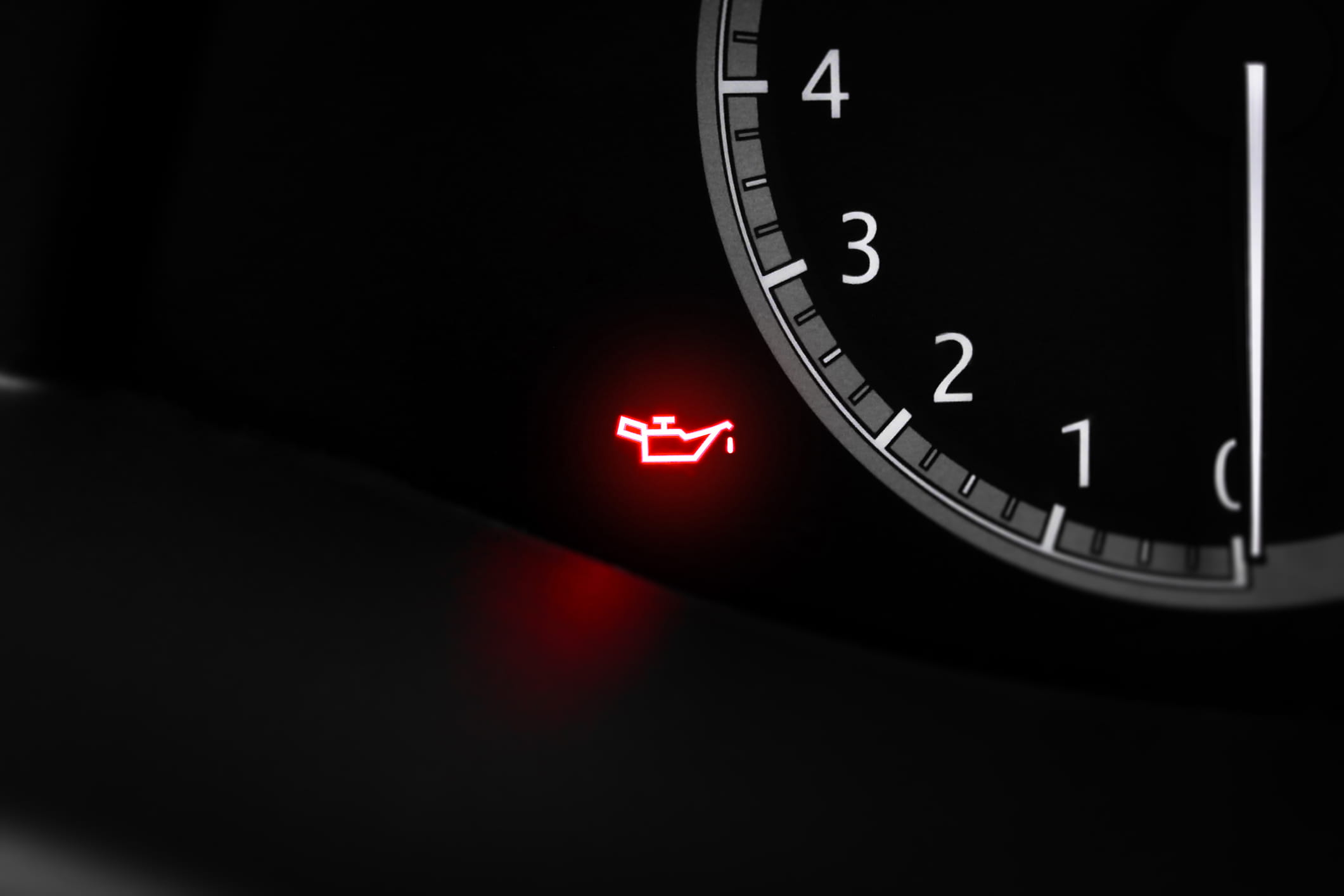
- Light vs. Light: An "Oil Life" light is a maintenance reminder, but a red "Oil Pressure" light is an emergency—pull over immediately.
- Severe driving conditions (short trips, extreme heat, or towing) mean your oil breaks down faster than the "3,000 or 5,000-mile" sticker suggests.
Your car rarely breaks down without warning. Most of the time, it gives you signals first, and an overdue oil change is no different.
At Christian Brothers Automotive, we see the results of neglected oil changes every day, and the good news is that catching the signs early keeps the repair simple. In this guide, we’ll break down what to watch for before a skipped oil change turns into a serious engine problem.
The First Symptoms Drivers Notice
When your engine oil gets old, it stops doing its job. Fresh oil lubricates, cleans, and cools the moving parts inside your engine. Degraded oil does none of those things well, and your car starts to show it.
These are the first signs you need an oil change that drivers tend to notice:
- Rough idle makes your car feel like it is shaking or vibrating at a stop, because thickened, dirty oil struggles to maintain consistent lubrication across engine components
- Louder engine noise or ticking develops when oil film breaks down between metal parts, and valvetrain components like lifters and camshafts start making noise with each rotation
- Sluggish acceleration shows up when dirty oil increases internal engine friction, forcing your engine to work harder to deliver the same power output
- Burning oil smell inside the cabin signals that degraded oil is contacting hot engine surfaces and beginning to break down further under the heat
- Dark, gritty oil on the dipstick tells you the oil has collected combustion byproducts and metal particles, and no longer flows or protects the way clean oil does
None of these symptoms signifies your engine is already damaged, but each one is your car asking for service. The longer you wait after noticing them, the narrower your window gets.
Oil Warning Lights and What They Mean
Dashboard lights are your vehicle's last line of communication before a problem gets worse. There are specific lights you’ll want to pay attention to when it comes to your car’s engine oil:
Oil Life Light
The oil life reminder light is a maintenance alert. It tells you the oil has reached the end of its service interval based on mileage or the vehicle's oil life monitoring system. This light gives you time to schedule service before any damage occurs.
Oil Pressure Light
The oil pressure warning light is a different situation entirely. This light means your engine is not receiving adequate oil pressure right now, and continued driving risks serious internal damage. Pull over safely and call for assistance. Do not keep driving and hope it resolves on its own.
Check Engine Light
A check engine light tied to oil neglect is less obvious but worth knowing. Extended oil change intervals allow sludge buildup, which triggers sensors related to variable valve timing systems and oil flow. If your check engine light appears alongside any of the symptoms above, have a technician scan the fault codes before assuming the two are unrelated.
How Many Miles Can You Go Over After an Oil Change?
A few hundred miles over your service interval is common and unlikely to cause lasting damage. However, risk levels rise significantly once you are 1,000 to 1,500 miles past the recommended interval.
This is especially true if you engage in "severe driving," which includes:
- Frequent short trips (under 10 miles)
- Stop-and-go city traffic
- Extreme summer heat or winter cold.
- Towing or hauling heavy loads
These drives degrade oil faster than highway driving, meaning the symptoms of dirty engine oil arrive earlier than the mileage number on your sticker suggests. Synthetic oil holds up longer than conventional oil between changes, but neither protects an engine indefinitely.
When to Stop Driving When You Need an Oil Change
Most overdue oil change symptoms give you a window to schedule service at your convenience. A few do not. Stop driving and call for help if you experience any of the following:
- The oil pressure warning light turns on and stays on while driving
- You hear engine knocking or rod knock, a deep repetitive thud that signals metal-on-metal contact inside the engine
- Your temperature gauge climbs above normal, or you see a coolant warning, as oil degradation contributes to poor heat management
- You notice smoke coming from under the hood, which points to oil burning on hot engine surfaces at a rate that warrants immediate attention
Driving through any of these signs risks permanent engine damage. The cost of an engine repair or replacement far exceeds the cost of an oil change.
What to Do Today About Your Car’s Old Engine Oil
You do not need to wait for a warning light to take action. If you are overdue on an oil change or unsure if you need one, here is where to start:
- Pull the dipstick with the engine off and check both the oil level and its color. Clean oil is amber. Dark brown or black oil with a gritty texture is ready for a change.
- Do not top off old oil as a substitute for a full oil change. Adding fresh oil to degraded oil does not restore its protective properties or remove the contaminants already in the system.
- Schedule your oil change as soon as possible, and let the technician know approximately how many miles over your interval you are so they inspect accordingly.
If anything looks off or you are more than a few hundred miles past your interval, go ahead and schedule service. A few minutes today keeps a much bigger problem off your plate later.
Let Christian Brothers Automotive Handle Your Oil Check, Changes, and More
Christian Brothers Automotive is your trusted source for all your oil needs. Whether you are unsure if you need an oil change or you are ready for a full oil and filter change, our ASE-certified technicians provide expert recommendations tailored to your engine.
We start with a courtesy inspection to check your oil level and condition, identify any related issues, and ensure your engine runs smoothly with the ideal oil for peak performance.
Find your nearest Christian Brothers Automotive location and schedule your oil change today.
Frequently Asked Questions About Overdue Oil Changes
Is 1,000 miles over okay?
For most drivers using synthetic oil under normal conditions, driving 1,000 miles over is usually okay. For drivers using conventional oil or operating in severe conditions, 1,000 miles over puts you in a range where oil degradation accelerates. Make sure to get it changed promptly.
Why is my oil black?
Black oil means the oil has been collecting combustion byproducts and contaminants over time. It is doing its job, but it has reached the end of its useful life. This is normal and expected, and it means a change is due.
Why does my car burn oil between changes?
Some oil consumption between changes is normal, particularly in higher-mileage engines. Burning oil is not. If you are adding more than a quart every 1,000 miles, have a technician inspect valve seals, piston rings, or other wear points that allow oil to enter the combustion chamber.
[1].jpg "Four Common Services Offered at Auto Repair Centers")
[2].jpg "Make Sure You're Getting Quality Auto Parts")
sunwash-tech-with-customer.png "What is a Car Inspection?")