

What Your Oil Dipstick Is Telling You
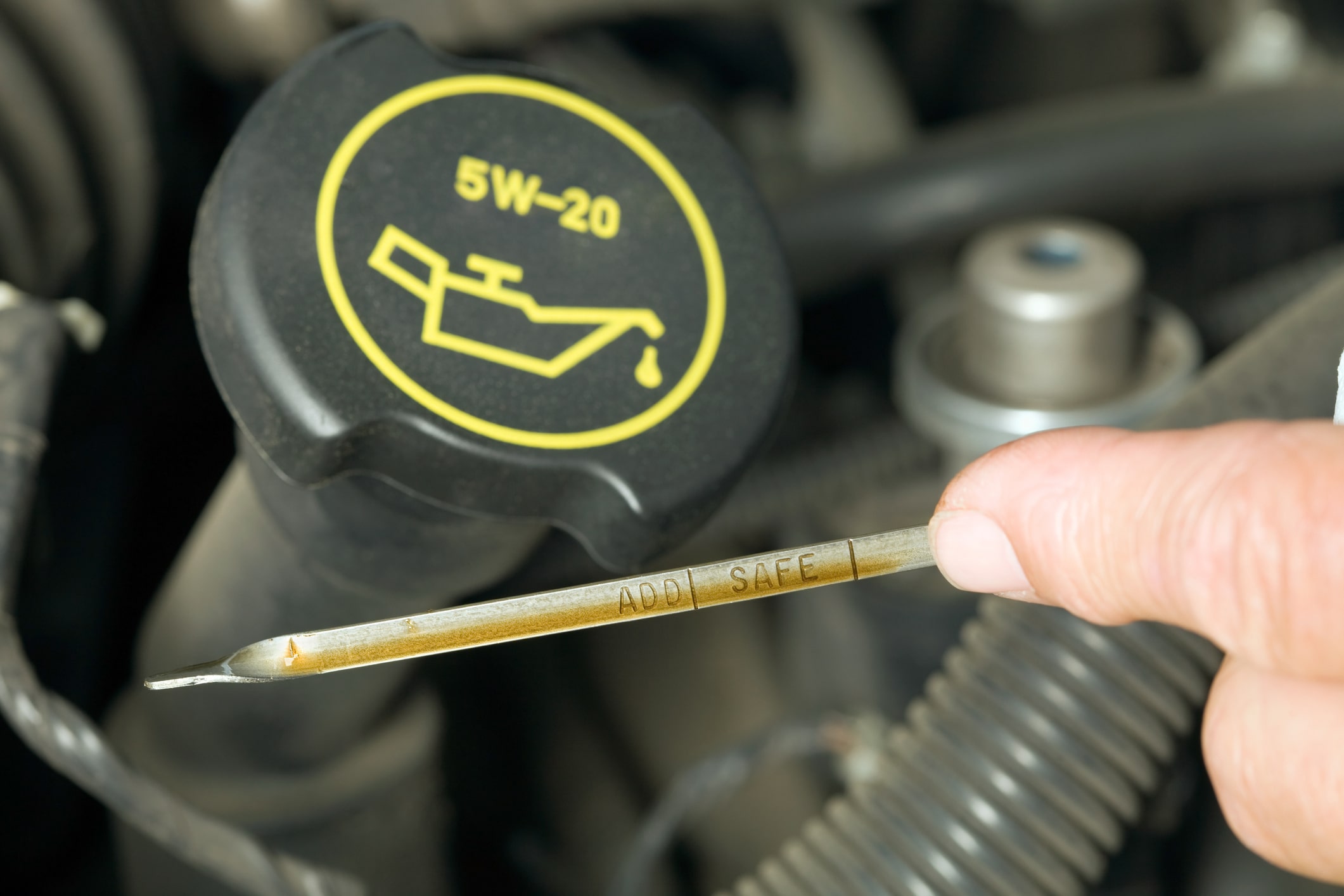
Ever pulled out your oil dipstick and wondered what you're looking at? Perhaps your oil is pitch black, the dipstick is covered in oil, making it impossible to read, or the level appears higher than it should be. Your dipstick is your engine's report card. Learning to read it saves you from costly repairs and keeps your car running smoothly for years to come.
At Christian Brothers Automotive, we help drivers understand their vehicles better. This guide shows you exactly how to check your oil dipstick, what the readings mean, and when to take action.
The Basics: How to Check Your Oil Properly
Before diving into what different dipstick readings mean, let's make sure you're checking it correctly. Park your car on level ground and turn off the engine. Wait 5-10 minutes so oil can drain back into the oil pan. Pull out the dipstick, wipe it completely clean with a paper towel, reinsert it fully, then pull it out again for an accurate reading.
Looking for more tips on how to change your oil? We have you covered!
How Much Oil Should Be on the Dipstick?
Every dipstick has two marks—usually labeled "MIN" and "MAX," "L" and "H," or shown as two dots or hash marks. Your oil level should fall between these two indicators:
- At or near the MAX mark: Perfect, you're good to go
- Between MIN and MAX: Normal operating range
- At or below MIN: Add oil immediately
- Above MAX: Too much oil
Think of this range as your engine's sweet spot. Running below the minimum is like asking your engine to work without proper lubrication—metal grinding on metal causes serious damage fast.
Why Is My Oil Dipstick Covered in Oil?
If you pull out your dipstick and find it completely coated with oil, making it impossible to get a clear reading, you're not alone. This frustrating issue happens more often than you might think, especially with certain engine designs.
Oil can coat the entire dipstick when it clings to the sides of the dipstick tube, particularly in engines where the dipstick passes through areas with oil splash or has bends that collect oil. How to fix it:
- Remove and wipe the dipstick thoroughly
- Reinsert it carefully and pull it right back out
- Look for a distinct line where heavy oil coverage ends
- Ignore oil on bent portions—focus on the hash marks
Use a white paper towel and gently press the dipstick tip against it without wiping. The oil will absorb into the paper, showing you the true level.
For particularly stubborn cases, try checking your oil first thing in the morning when the car has been sitting overnight. This gives all the excess oil time to drain back into the pan, providing the clearest possible reading.
Why Is My Oil Dipstick Black?
New motor oil is typically amber or honey-colored, so seeing black oil on your dipstick can be alarming. But before you panic, understand that oil naturally darkens with each heat cycle as your engine reaches operating temperature and cools down. This darkening process is completely normal and actually shows that your oil is doing its job.
Engine oil contains additives and collects tiny metal particles, dust, and dirt that cause it to darken over time. In fact, if your oil stayed perfectly clean after thousands of miles, that might indicate it's not effectively cleaning your engine.
When Is Dark Oil on a Dipstick a Problem?
That said, extremely dark or black oil combined with a thick, sludgy texture can signal that you're overdue for an oil change. The best approach is to follow your vehicle manufacturer's recommended oil change intervals rather than relying on color alone. Most modern vehicles can go 5,000 to 10,000 miles between oil changes, depending on whether you use conventional or synthetic oil.
For diesel engines, it's worth noting that oil typically turns black very quickly—sometimes within just a few hundred miles. This is normal due to the higher levels of soot produced by diesel combustion.
Why Is My Oil Dipstick Twisted or Damaged?
Most dipsticks naturally have bends and curves designed to navigate around engine components—that's completely normal. The problem occurs when the dipstick becomes twisted, kinked, or damaged beyond its original design.
Signs of a damaged dipstick:
- Won't insert smoothly into the tube
- Twisted handle or severe kinks in the metal
- Broken or cracked plastic handle
- Reading marks are worn off or illegible
- Recently snapped or bent from improper handling
If it’s damaged, be sure to replace it with a new dipstick specific to your vehicle's make, model, and year. They're inexpensive (usually $10-30) and available at auto parts stores. Always guide the dipstick back into the tube gently, following its natural path without forcing it.
What If My Oil Level Is Too High?
If your oil level rises above the maximum mark or shows an unusually high reading, this could indicate condensed water from combustion, fuel dilution, or a coolant leak—all serious concerns that need immediate attention. Overfilling your oil can also cause problems. When there's too much oil, the crankshaft can whip it into foam, reducing its lubricating properties and potentially damaging seals and gaskets.
If you accidentally overfilled your oil during a change, you'll need to drain some out to bring it back to the proper level. Don't ignore a high oil reading, as what seems like a bonus could actually harm your engine.
Warning Signs That Need Immediate Attention
While dark oil is usually normal, certain colors and textures signal serious problems:
- Milky or Frothy Oil: If your oil appears milky, foamy, or cream-colored, this typically indicates a head gasket leak allowing coolant to mix with your oil. You might also notice white smoke from your exhaust or coolant loss. This requires immediate professional attention.
- Oil That Smells Like Fuel: If your oil has a strong gasoline or diesel smell, fuel may be leaking into your crankcase. This dilutes the oil and reduces its protective properties.
- Thick, Sludgy Oil: Oil that clings heavily to the dipstick and has a tar-like consistency indicates severe contamination and overdue maintenance.
If you notice any of these warning signs, don't wait to address them. Continuing to drive with contaminated or compromised oil can turn a manageable repair into a major engine replacement. When something doesn't look, smell, or feel right, trust your instincts and have a professional take a look. It's always better to be safe than sorry when it comes to your engine's health.
Remember, Prevention Is Key
Your dipstick is trying to help you maintain your vehicle's health. By checking it regularly—ideally every couple of weeks or before long trips—you can catch potential issues before they become expensive problems. Keep a simple log of what you observe, noting the oil level, color, and texture. Over time, you'll learn what's normal for your specific vehicle.
Your engine works hard for you every single day. A few minutes spent checking your oil can save you from major headaches and keep you safely on the road. And if you ever pull that dipstick out and see something that doesn't look quite right, don't hesitate to bring your vehicle to a trusted professional.
Drive With Confidence—We're Here to Help
Understanding what your oil dipstick is telling you puts you in control of your vehicle's health. It's one of those simple maintenance checks that makes a real difference in your car's longevity and performance.
But here's the good news: You don't have to figure it all out alone. Whether you pulled your dipstick and saw something that doesn't look quite right, you're due for an oil change, or you just want a professional to take a look and give you peace of mind—we're here for you.
At Christian Brothers Automotive, we believe in transparent service and treating every guest like family. Our oil changes include a complimentary courtesy inspection, so we can spot potential issues before they become problems. We'll show you what we find, explain it in plain terms, and help you make informed decisions about your vehicle's care.
Need some help with your next oil check? Let Christian Brothers Automotive handle it. Find your local auto shop today![1].jpg "Four Common Services Offered at Auto Repair Centers")
[2].jpg "Make Sure You're Getting Quality Auto Parts")
sunwash-tech-with-customer.png "What is a Car Inspection?")