
Car Hoses and You: Main Types, Common Problems, and More
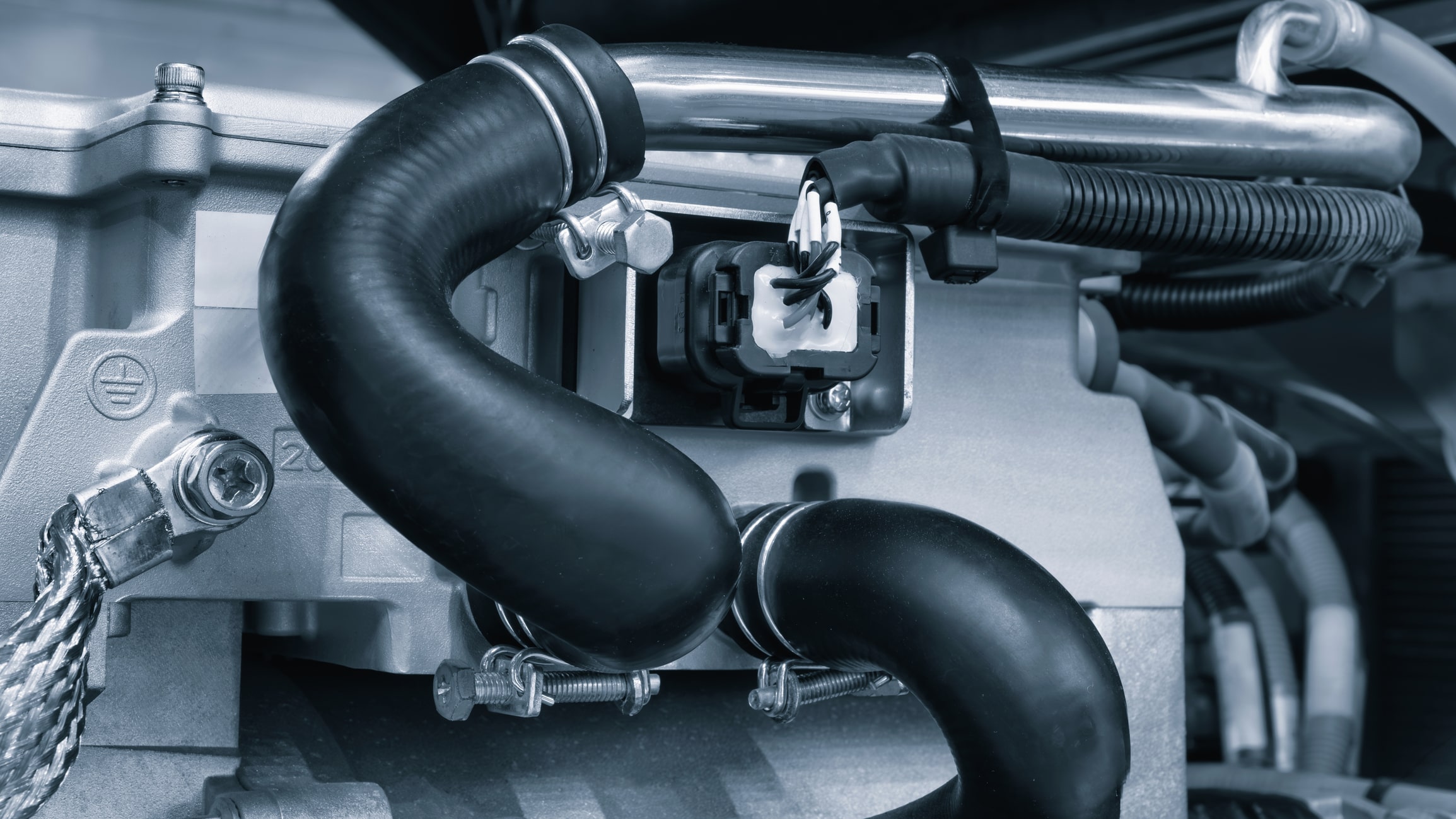
Your vehicle relies on multiple hoses to keep systems running smoothly. These rubber and silicone tubes transport vital fluids throughout your engine, cooling system, and other components. When a hose fails, you face breakdowns, overheating, and expensive repairs.
Most drivers never think about their car's hoses until something goes wrong. Learning the basics helps you spot problems early and avoid roadside emergencies. At Christian Brothers Automotive, we help drivers understand what's happening under the hood and provide expert inspections to catch hose problems before they leave you stranded.
What Do Car Hoses Do?
Hoses connect different parts of your vehicle's fluid systems. They withstand extreme temperatures, constant pressure, and chemical exposure from various fluids. Over time, heat, age, and wear break down even the best hoses.
A single failed hose stops your car in its tracks. The cooling system loses coolant. Power steering becomes difficult. Brake performance suffers. Knowing what hoses do and when they need attention keeps you safe and prevents costly damage.
What Are The Main Types of Car Hoses?
Your vehicle contains several critical hoses, each serving a specific purpose in keeping your car running safely and efficiently:
Radiator Hoses
Radiator hoses move coolant between your engine and radiator. You'll find an upper hose and a lower hose. These rubber hoses face intense heat cycles and often show the first signs of wear. A burst radiator hose causes rapid coolant loss, engine overheating, and potential roadside breakdowns.
Heater Hoses
Heater hoses carry hot coolant to your cabin's heater core. When these fail, you lose heat inside your car. A leaking heater hose can lead to engine overheating due to coolant loss, and leaves you shivering on cold mornings.
Vacuum Hoses
Vacuum hoses provide a contained path for the vacuum suction many engine systems need to be connected to different systems in your vehicle. Small and numerous, these thin hoses impact everything from emissions to brake boosters. A single cracked vacuum hose causes rough idling, poor fuel economy, and check engine lights.
Fuel Hoses
Fuel hoses transport gasoline or diesel from your tank to the engine. Modern vehicles use reinforced rubber or metal lines rated for fuel pressure and chemical resistance. A deteriorated fuel hose creates dangerous leaks, strong gas odors, and potential fire hazards.
Brake Hoses
Brake hoses deliver brake fluid to your wheels. Flexible sections allow your steering to move while maintaining hydraulic pressure. Brake hoses demand immediate attention when they show any signs of damage. A compromised brake hose leads to spongy pedals, reduced stopping power, and serious safety risks.
Power Steering Hoses
Power steering hoses handle high-pressure fluid that makes steering easier. These reinforced hoses come in high-pressure and low-pressure varieties. A failing power steering hose creates squealing noises, makes turning the wheel difficult, and leaves puddles of red or brown fluid under your vehicle.
How Long Do Car Hoses Last?
Most manufacturers recommend inspecting hoses every 30,000 miles and replacing them every 4 to 5 years. Your driving conditions affect lifespan. Extreme temperatures, stop-and-go traffic, and harsh weather accelerate wear.
Coolant hoses typically need replacement between 60,000 and 80,000 miles. Brake hoses last longer but require inspection at every brake service. Vacuum hoses may need attention sooner, especially on older vehicles. Don't wait for scheduled maintenance if you spot problems.
Common Warning Signs a Hose Replacement Is Near
Check your hoses regularly for problems before they leave you stranded. Catching damage early saves money and prevents dangerous situations on the road:
- Surface Cracks: Appear on the rubber surface, especially near connection points where heat concentrates most
- Soft Spots: Spongy areas mean the rubber has weakened and will fail soon under normal pressure
- Bulges: Indicate internal failure and imminent rupture from pressure buildup inside the hose
- Leaks: Show up as fluid stains, puddles under your car, or low fluid levels in reservoirs
- Brittle Texture: Hard hoses have lost their flexibility and crack easily when squeezed or bent
Connections may show corrosion or looseness at clamps. Your dashboard warning lights often signal hose problems, including temperature gauges climbing past normal, low coolant warnings, or brake system alerts.
Maintenance Tips to Keep Your Hoses in Good Shape
Regular inspection prevents problems before they turn into expensive repairs or leave you stranded. Taking a few minutes each month to check your hoses pays off in reliability and safety:
- Monthly Visual Inspections: Pop your hood and look at visible hoses, squeezing them gently to check for soft spots or brittleness
- Check for Leaks: Look underneath your car after parking overnight to spot fluid puddles early
- Maintain Cooling System: Keep your system maintained with proper coolant changes, as old fluid damages hoses from the inside
- Replace in Sets: When one radiator hose fails, replace both to prevent another breakdown soon after
- Inspect Clamps: Check hose clamps during inspections and tighten or replace any showing rust or damage
Follow your manufacturer's recommended fluid service intervals. The small additional cost of preventive maintenance prevents future breakdowns and protects other expensive components.
What to Do if You Have a Broken Car Hose
Some hose replacements are straightforward, while others require special tools and expertise. Brake hoses demand professional service because of safety concerns and the need to bleed the brake system properly.
Power steering and fuel lines often need specific replacement parts and careful installation. Coolant system work requires proper filling and air removal to prevent overheating. We handle all types of hose inspections and replacements with quality parts designed for your specific vehicle.
Let Christian Brothers Automotive Keep Your Hoses in Top Shape
Your car's hoses are small components with big responsibilities. Regular attention prevents the majority of hose failures. When problems arise, quick action protects your engine and keeps you safe on the road.
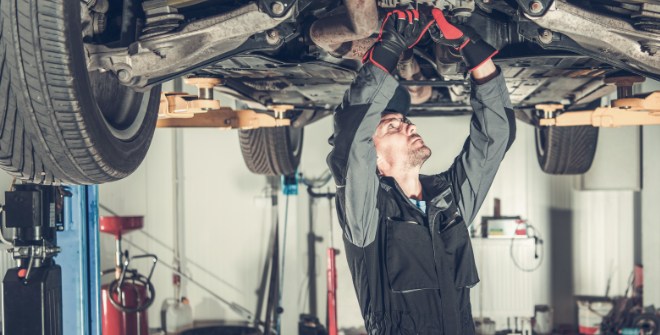
At Christian Brothers Automotive, our technicians perform thorough hose inspections during every service visit as part of our courtesy inspections. We check for wear, damage, and potential problems before they turn into breakdowns. Our commitment to transparency means we'll show you what we find and explain what your vehicle needs.
Schedule an appointment at your nearest Christian Brothers Automotive location today. We'll inspect all your hoses and provide honest recommendations for your car’s performance.
[1].jpg "Four Common Services Offered at Auto Repair Centers")
[2].jpg "Make Sure You're Getting Quality Auto Parts")
sunwash-tech-with-customer.png "What is a Car Inspection?")